It’s Not My Fault! Finding empowerment through musical storytelling

The strength of a woman can move mountains.
The wisdom of a woman can foster widespread peace.
Without women, no one would exist.
Yet, patriarchy and machismo are control systems that continue to harm women-identifying people.
Gendered disparities persist in access to resources, economic stability, education, employment, equitable wages, decision-making roles, and health care.
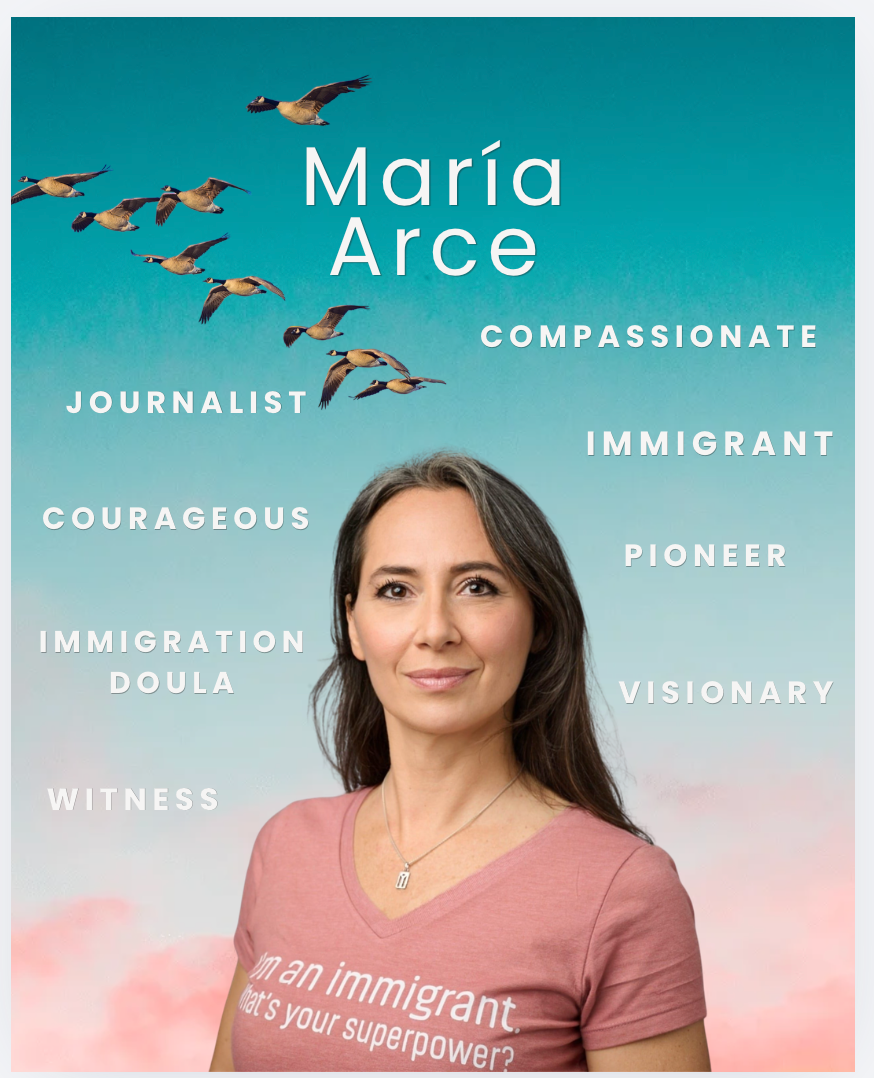
For Women’s Herstory Month (and beyond), we are featuring women change makers.
At Healing Bells, our majority-women team flips the script from oppression to empowerment. During our “Ni une más” (Not one more) rehearsals, we shared and pondered our own stories of abuse and the accompanying shame and blame (see my Five Stages of Healing from Trauma blog). We tried to make sense of the shame and blame, but couldn’t. Why? Because shame and blame originate from gaslighting: it's psychological and sociological manipulation. It absolutely is not rational or warranted. Yet, many survivors are conditioned to believe that what happened to them is their fault.
Let me be clear, it is not your fault.
Our team members kept repeating to one another, “It’s not your fault.” And after dissecting our trauma, our brains began to realize that “It’s not our fault.” Still, we struggled to release ourselves from the responsibility. Why? Because trauma resides deeply in the body. Although our minds knew the truth, our bodies still held onto the false belief that it is our fault. This creates a palpable embodied incongruency, a highly uncomfortable inner struggle. We were determined to break through. As we kept working with our community, we discovered how we can flip the shame and blame script. How we can replace that inner oppressive struggle with empowerment.
Engaging your truth with the healing arts can open a path to rewrite your script and rewire your body. See how we do this in the chorus, "It's Not My Fault!"
Why do the healing arts work?
Trauma is stored in the body. The arts engage the senses, precisely where trauma can be released. When we actively rewrite our script to the truth, we can release a little more trauma with each embodied repetition. As Mahi, the soloist in our video sings,
"I will claim myself and surround myself with supportive community. I'll name the pain to tame the pain and stand in solidarity with those brave souls who dare to be themselves!"
The healing arts are so impactful because they meet the trauma where it is–in the body–, release the trauma by engaging the senses, and replace trauma with embodied and empowered truthtelling.
After I composed “It’s Not My Fault,” we sang those words over and over. I'll never forget the embodied sensations as we felt those words seeping into our bones, into our synapses. For the first time, our body knowledge connected to our mental knowledge that it is not our fault. That sensory act of singing helped us to release the trauma belief of shame and blame and replace it with empowerment to name the pain and ascribe blame and shame to the oppressor. We flipped the narrative of oppression to empowered truths. These embodied steps are an important way to break trauma bonds with an oppressor.
I will no longer carry your guilt, unjust actions, or cruel words in my body.
My body belongs to me.
I choose to be with people who respect me and my boundaries.
We experienced this liberation in community, which helps to affirm our empowerment, and seals that knowledge more strongly in the body due to the solidarity and support.
If you have experienced trauma, try engaging with the arts to express your feelings and to release blame and shame. You can create movement or dance, write poetry, draw, doodle, or paint, improvise music, journal, walk or bike to the beat of the “It’s not my fault” mantra, swim and wash the blame and shame away–anything that engages your senses and helps you release the negative energy you are holding. Work with a professional therapist to process the feelings and to affirm the liberation from blame. Look for or create a community of people who understand trauma and with whom you can build mutual support.
And keep returning to Healing Bells. We will continue to provide more resources: poetry, songs, dance, art, movement, film, and classes that inspire people to open up their own healing pathways and seek the help they need to get started on their journeys of empowerment. You, too, can flip your own narrative from oppression to empowered truth.
FAQs
Why is it so difficult to unhear cruel words and gaslighting phrases?
Gaslighting is a form of psychological and sociological manipulation. The name is descriptive, as an oppressor's gaslighting often causes the targeted person to burn with shame even though they did not initiate, create, or cause the unjust behavior. We can feel the burning sensation in our stomachs, chests, throat constriction, and body tension.
People who would never imagine gaslighting someone else are taken by surprise, and the shock can cause an amygdala brain response that causes a person to react in flight, fight, freeze, fawn, or fake (more on that in an upcoming blog).
This is trauma that gets stored in our bodies. And trauma is often caused by people who should love us well and treat us with respect, which exacerbates the trauma. We should have been able to trust them. Because gaslighting is so incongruous with reality and is such a negative experience, our brains and bodies often keep ruminating on the trauma and gaslighting to try to make sense of it. But gaslighting and abuse are not logical. They are oppressive power plays.
How does arts engagement help to dislodge trauma from the body?
Trauma is felt and stored deeply in the body. The arts engage the senses, where trauma is stored and where it can be released. Depending on which arts resonate with you, you can dance it out, sing it out, sketch it out, write and recite poetry to release it, ride a bike or power walk while saying "It's not my fault!" The arts can help us flip the false narrative to our empowered truths. After that, the arts can help us rewrite our script to how we deserve to be treated.
What else can I do?
Find a therapist who specializes in trauma. Therapists are trained to walk with people as they process their trauma, and to ask important questions that help people see destructive patterns and find a healing pathway out from the trauma. In addition to the healing arts and therapy, find accompanying healing modalities that work for you: mindfulness meditation, deep breathing, journaling, EMDR (a therapy technique), role-playing, and goal-setting. Make self-care a daily ritual. You're worth it! You matter. And you deserve to be treated with respect.


Comments