What happens when we are rushed back to “Business as Usual” after a traumatic experience?

Collective grief is real. And so is what our bodies hold on to when we don’t have time to process.
I am an immigrant in a country so beautiful, so rich with flora and fauna, with mountains that hold you and an ocean that reminds you to breathe. The views here stop you in your tracks. The green against the blue. The way the light hits the water at sunset. And the kindness of the most loving people. A country held up by hardworking, family-centered community. This place has held me. It has healed me. It has allowed me to become more me every day.
Contrary to opinions by people who have never been here, I feel safe here. I walk the streets at night. I can count on my neighbors if needed.

Most recently, Puerto Vallarta experienced some unfortunate events that overcame the city with fear. Property was destroyed. We were asked to stay home. As the day went on, an overwhelming number of fake news videos and AI-generated images circulated. Messages from friends and family living outside of Mexico came in, concerned for my safety.
To be honest, I knew what was happening across the city. I was following the updates. I understood how serious it was. Thankfully, I was home, and so was my partner. It was a Sunday. We had water. We had food. We were safe.
From where I was, I could see the smoke in the distance and feel that eerie silence that comes when everyone is told to stay inside.
My fear wasn’t for my own safety.

It was for the people who were still out on the street. The ones at work. The ones leaving church. The workers whose livelihood depends on showing up, no matter what.
Seeing your home being destroyed creates a collective grief. It feels like your safety is being taken away. Your peace of mind shaken. Even if it is temporary, even if your house is untouched, something shifts inside you.
You realize how quickly ease can be disrupted.
By Tuesday, people were being rushed back to normal. Show up. Smile. Serve. I work from home. I didn’t need to compromise my income for my mental health. Others didn’t have the chance to sit with it. To feel it. To allow themselves to regulate their nervous systems.
So I say all of this to ask:
What gets stored in the body when there is no space for collective processing?
Because the body doesn’t forget.
Tight shoulders. Shallow breath. Restlessness. Fatigue that feels heavier than it should.
Collective grief isn’t always loud. Sometimes it’s quiet. It lives in the silence after the smoke clears.
There are traumatic events happening all over the world right now. Cities shaken. Communities grieving. People navigating loss in ways big and small. This isn’t isolated. It’s part of a larger human experience we’re all living through in different ways.
I write this with deep love for this country that has given me so much. And with awareness that not everyone gets the privilege to pause.
If you had to override your feelings to make it through the week, I see you.
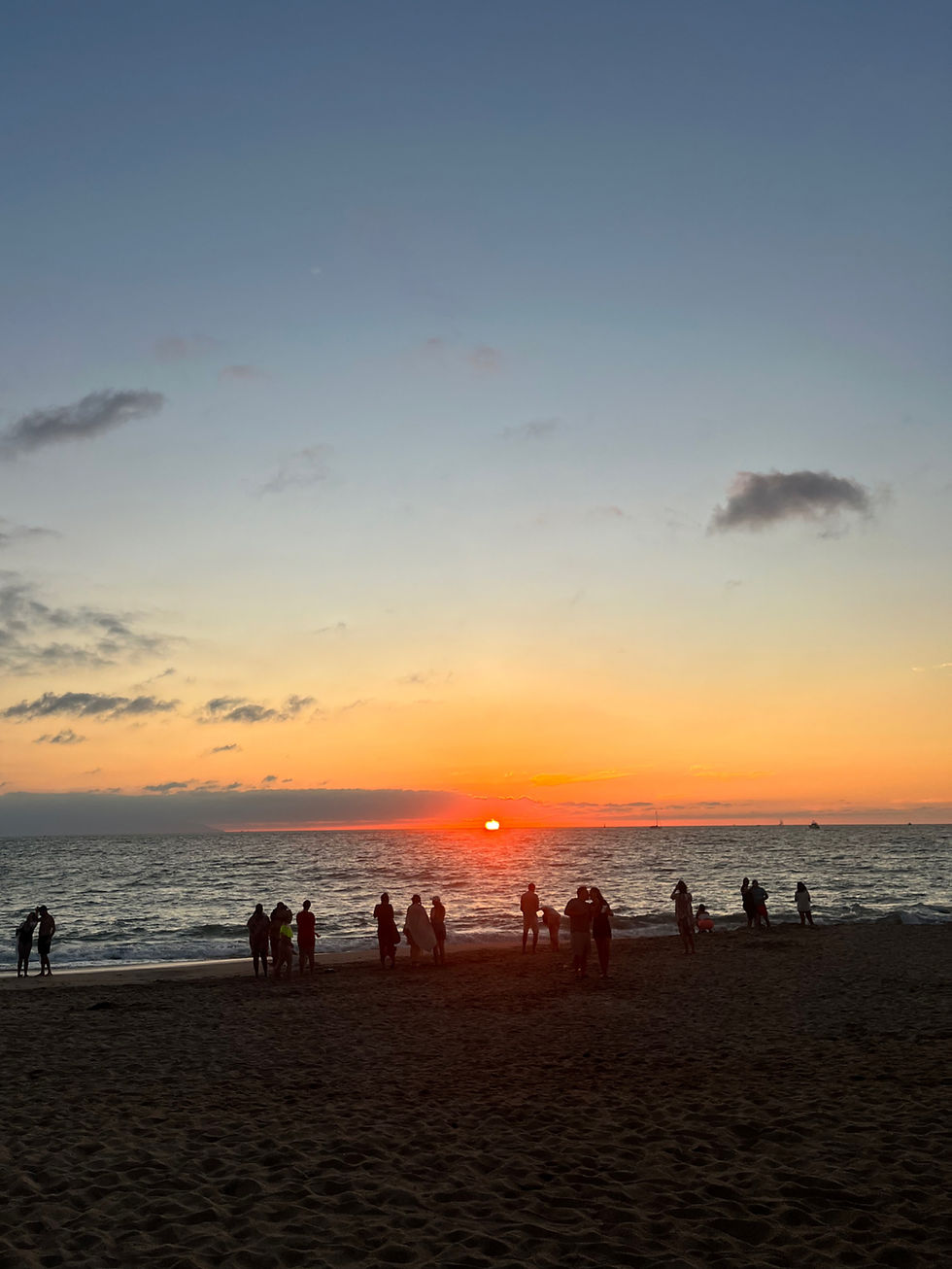
May we check on our neighbors. May we support local businesses. May we move with more care. May we love on each other a little deeper.
Before you scroll away, take one slow breath.
Inhale through your nose for four.
Hold for four. Exhale slowly for six.
Do that three times.
Notice your shoulders. Notice your jaw.
Notice if your body has been holding something you didn’t have time to name.
Because even when the city returns to movement, the body still needs time to breathe.



Comments