Curiosity Is Care. How Third Spaces Survive When We Notice and Show Up
- Yurani Cubillos

- Dec 9, 2025
- 3 min read
Looking for some year-end restorative spaces, an escape from holiday obligations, or a way to build and sustain a supportive community? This week, Yurani Cubillos wrote a timely follow-up to her November 18 blog about the need for third spaces. For full context, please read her previous blog first: in English here y en español aquí. Then, read on here!

When it comes to supporting people within our communities, why do we hesitate?
Why do we think twice before investing in one another, but not when it comes to corporations that give us nothing in return?
Lately, I’ve been reflecting and talking with friends about third spaces: what they mean, where they exist, and where they have gone. Through these conversations, I realized something simple but profound. I cannot talk about the importance of third spaces without talking about the people who create and sustain them.
Every third space begins with someone’s dream.
Someone deciding to open their doors to offer rest, connection, or beauty to others. Someone brewing coffee at sunrise, rearranging chairs for a community circle, or tending to a garden that feeds their neighbors.

Priya Parker's The Art of Gathering shifted the way I think about togetherness. Her book isn’t about third spaces in the physical sense, it’s about how and why we gather within them. It’s about the intention behind who we invite into our lives, how we show up for one another, and what we center when we come together, whether that’s in our favorite café, a living room, or around a holiday table. It reminded me that gathering is not neutral. It carries care, power, and responsibility.
But in a world where so many of us move through life on autopilot, it’s easy to forget the people behind these gestures. We rush through meals. We scroll through sunsets. We let time slip by: days, weeks, months, thinking our friends are fine because their work is thriving. But people are more than what they produce.
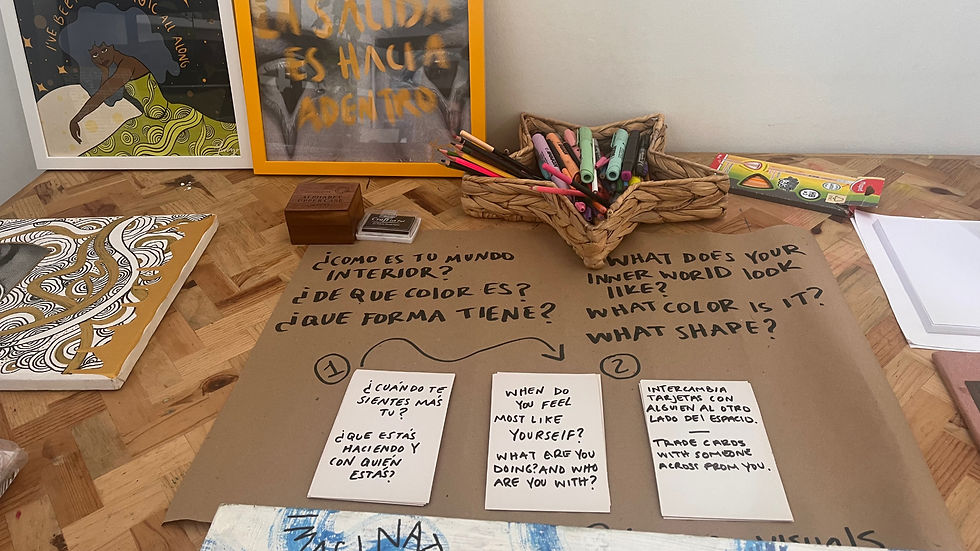
This constant motion numbs our attention, and with it, our sense of care.
Yet, noticing is care.
Asking questions is care.
Curiosity is care.
When we start to see community as a chore instead of a gift, we miss the point. Community is a practice. It is built in the small moments of checking in, of remembering a name, of asking how someone’s heart is doing.
Appreciation alone does not keep people going. Attention and curiosity are acts of love, but love also asks us to act. If we want these spaces and the humans who hold them to last, we have to move from admiration to accountability. That means showing up in tangible ways: buying a meal, paying for a class, donating when we can. Because the truth is, care has a cost.
The people creating spaces for rest, art, and belonging are often pouring from their own limited resources, time, energy, money, and heart. It takes both the soft care of noticing and the steady care of showing up. Together, they keep our people and our spaces alive.
We cannot just say we love a space, post a photo, and move on.


This week, I invite you to pause and notice. Check in with the people who hold your favorite spaces. Then, show up, take a friend, buy a coffee, sit for a while. Belonging grows where we tend to it
Be curious. Listen deeply.
FAQs
1. What does “curiosity is care” mean in the context of community and third spaces?
It means that noticing people, asking questions, and paying attention to their lives is a real form of care. Curiosity keeps us connected to the humans behind the spaces we love, not just the services they provide.
2. Why isn’t appreciation alone enough to sustain the people who create and hold these spaces?
Because while appreciation feels good, it doesn’t meet material needs. The people holding these spaces are often giving from limited time, energy, money, and heart, so care must also show up in tangible ways like paying, donating, and participating.
3. What does it look like to move from admiration to accountability in community?
It looks like showing up consistently: buying a coffee, taking a class, donating when possible, bringing a friend, sitting and spending time in the space. It’s turning love into action.


Comments